
Battery Materials Built for Industrial Automation and Robotics

Reliable. Durable. Built for continuous operation.

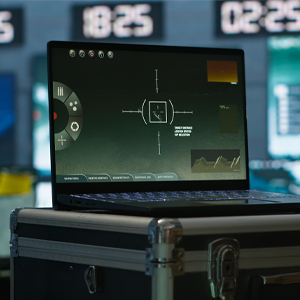
Industrial automation systems and autonomous platforms depend on battery performance to maintain uptime, operational efficiency, and long-term reliability. In many robotics environments, battery limitations directly affect runtime, maintenance schedules, platform design, and operational continuity.
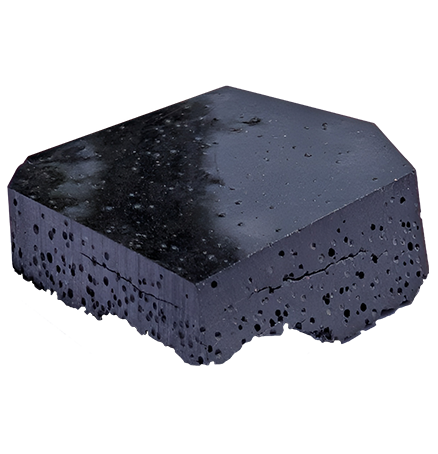
Obsidia™

The Obsidia Advantage

FOR INDUSTRIAL AUTOMATION AND ROBOTICS

Low swelling. Durable operation. Built for practical integration.

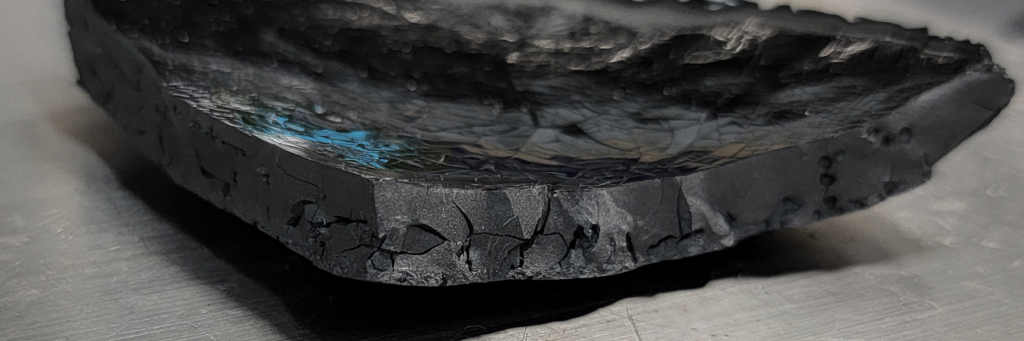
Obsidia is designed to address several performance limitations affecting robotics and industrial battery systems, including degradation from repeated cycling, mechanical stress from anode swelling, and operational downtime associated with battery replacement intervals. Other anode materials accomplish this at the cost of energy density. Obsidia blends make that tradeoff obsolete.

As a graphite-blend additive, Obsidia can be evaluated within existing lithium-ion manufacturing processes, helping reduce adoption friction while supporting practical deployment across robotics and automation platforms.

Autonomous Mobile
Robots (AMRs) & AGVs

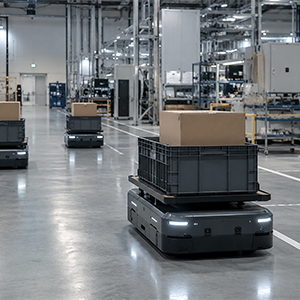
Autonomous mobile systems operating in warehouses, logistics centers, and industrial facilities require batteries that support continuous movement, predictable runtime, and reliable cycling performance across demanding operating schedules.

The Advantage:

  • Extended cycling durability 
  • Reliable runtime performance
  • Improved energy density
Industrial Robotics
& Automation Systems

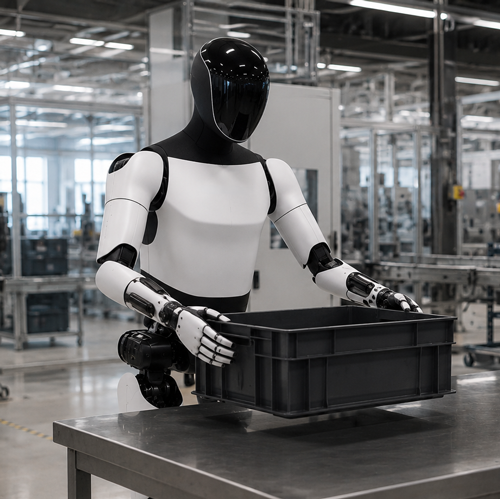
Fixed automation systems and robotic manufacturing platforms rely on battery-backed systems to ensure operational continuity, backup power, and uninterrupted production workflows.

The Advantage:

  • Low swelling characteristics
  • Durable high-cycle operation
  • Reduced operational disruption
Autonomous &
Defense-Adjacent Platforms

Autonomous systems operating in defense-adjacent, inspection, monitoring, and remote-operational environments require battery systems that remain dependable under repeated cycling and variable operating conditions.

The Advantage:

  • Durable field performance
  • Long operational life
  • Domestic supply-chain support
+.- C-BATT
C-BATT

Working With Us

Engineered for real-world automation systems.

Obsidia is available as a graphite-blend additive for existing lithium-ion anode formulations. At blend ratios around 10% or lower, cell manufacturers can evaluate Obsidia within conventional production workflows without major changes to cell-line equipment.

C-BATT works directly with robotics manufacturers, automation companies, battery integrators, and autonomous platform developers to evaluate advanced battery materials solutions and domestic sourcing strategies.

Domestic Supply Chain

As automation systems and advanced robotics platforms continue to expand across industrial and defense-adjacent sectors, supply chain reliability is becoming increasingly important for manufacturers and OEMs seeking to evaluate long-term production stability.

C-BATT has verified Obsidia’s supply chain down to basic chemical inputs. All material inputs come from U.S. suppliers using U.S.-manufactured materials. Developed in Florida and produced in West Virginia, Obsidia provides defense battery manufacturers with a fully domestic anode material built for performance, traceability, and scalability.

Backed by Core Natural Resources, C-BATT combines verified U.S. sourcing with industrial infrastructure positioned for American battery-material production.

Frequently Asked Questions

How does Obsidia support robotics and automation platforms?

Obsidia is designed to support durable cycling performance, low swelling, and reliable operation under repeated charge-discharge cycling. These characteristics may help improve operational lifespan and reduce battery-related downtime in robotics applications.

Why does low swelling matter in robotics battery systems?

Compact battery enclosures and tightly integrated platform designs can be affected by volumetric expansion during battery cycling. Obsidia’s low swelling characteristics may help reduce mechanical stress within battery systems compared to anode materials with higher expansion.

Does integrating Obsidia require major manufacturing changes?

No. Obsidia is available as a graphite-blend additive for existing lithium-ion anode formulations. At blend ratios around 10% or lower, manufacturers can evaluate the material within conventional production workflows without major cell-line modifications.

Can Obsidia support high-duty-cycle industrial applications?

Obsidia is engineered for applications requiring repeated cycling, durable operation, and long-term reliability. Industrial automation and robotics systems operating under continuous or high-frequency usage conditions may benefit from improved cycling durability and operational stability.

Why does domestic sourcing matter for robotics manufacturers?

Many industrial, defense-adjacent, and government-supported programs are increasingly evaluating supply-chain resilience and domestic sourcing requirements. C-BATT’s fully domestic supply chain helps support those priorities while reducing reliance on foreign-dominated graphite supply chains.

+.- C-BATT
C-BATT

Automation & Robotics uptime depends on the battery. The battery depends on the anode.

Tell us what your systems demand. We'll take it from there.

Talk to a battery specialist!

Contact Us